When a negative story runs, sort it into true, partly true, and false, appoint one spokesperson, then choose between acknowledging, correcting, or staying silent.
The short answer
In the first hours after a negative story runs, do two things: break the article into claims that are true, partly true, and false, and appoint a single spokesperson. Until then, nobody in the company speaks publicly.
The order of judgement is: whether the story is still spreading or has peaked, which group it has activated among regulators, customers, and the public, and whether you hold evidence for the false parts.
In most cases, acknowledging the true parts publicly with a remedy timeline, and requesting corrections for the false parts with evidence, stops the spread better than blanket denial or blanket silence.
Also searching for: negative press coverage how to respond · bad news article about my company what to do · media crisis response for small business · respond to negative news story
Where people usually go wrong
Blanket denial
If one sentence in the story is true, the denial collapses and makes that sentence look worse.
Attacking the journalist or outlet
It moves the topic from the event to your fight with the media and almost always produces a second story.
Everyone responding on their own
Employees defending the company on social media, sales sending customers their own versions. Contradictions hurt more than the story.
Waiting for it to pass
If the story touches customer interests or regulators, silence reads as admission. Silence is an option only when the spread has peaked and no stakeholder is affected.
Three things to check before acting
The spread curve
Are shares and searches rising, flat, or falling? Respond fast while rising; while falling, a response can push the story back up.
Who has been activated
Customers asking, regulators asking, or only onlookers commenting. Each needs a different channel and content: customers one-to-one, regulators in writing.
Evidence
For the false parts, do you have contracts, records, or third-party proof you can show? A clarification without evidence is just another claim.
What Sun Tzu would look at first
The Art of War, chapter 8, Variation in Tactics
Rely not on the enemy not attacking, but on having a position that cannot be attacked.
What holds under negative press is not what you say but what was already solid: verifiable records, proof of performance, customer testimony. Prepare those in normal times and you have an unassailable position when a story lands. A narrative invented on the day is assailable everywhere.
Three versions, three plays
The story is essentially true
Acknowledge it the same day once verified, state the remedies already taken and the timeline for the rest, and do not explain motives or blame individuals. Then report each step of progress so the follow-up story can only say you are fixing it.
Partly true, with false key claims
Acknowledge the true parts first, then submit evidence to the outlet in writing requesting correction of the false parts, and send the same explanation to affected customers. Do not argue line by line on social media.
False and clearly slanted
Publish one short, factual statement with evidence, said once and not added to. Request a written correction from the outlet and keep legal options open. Do not speculate publicly about motives.
How the app walks you through it
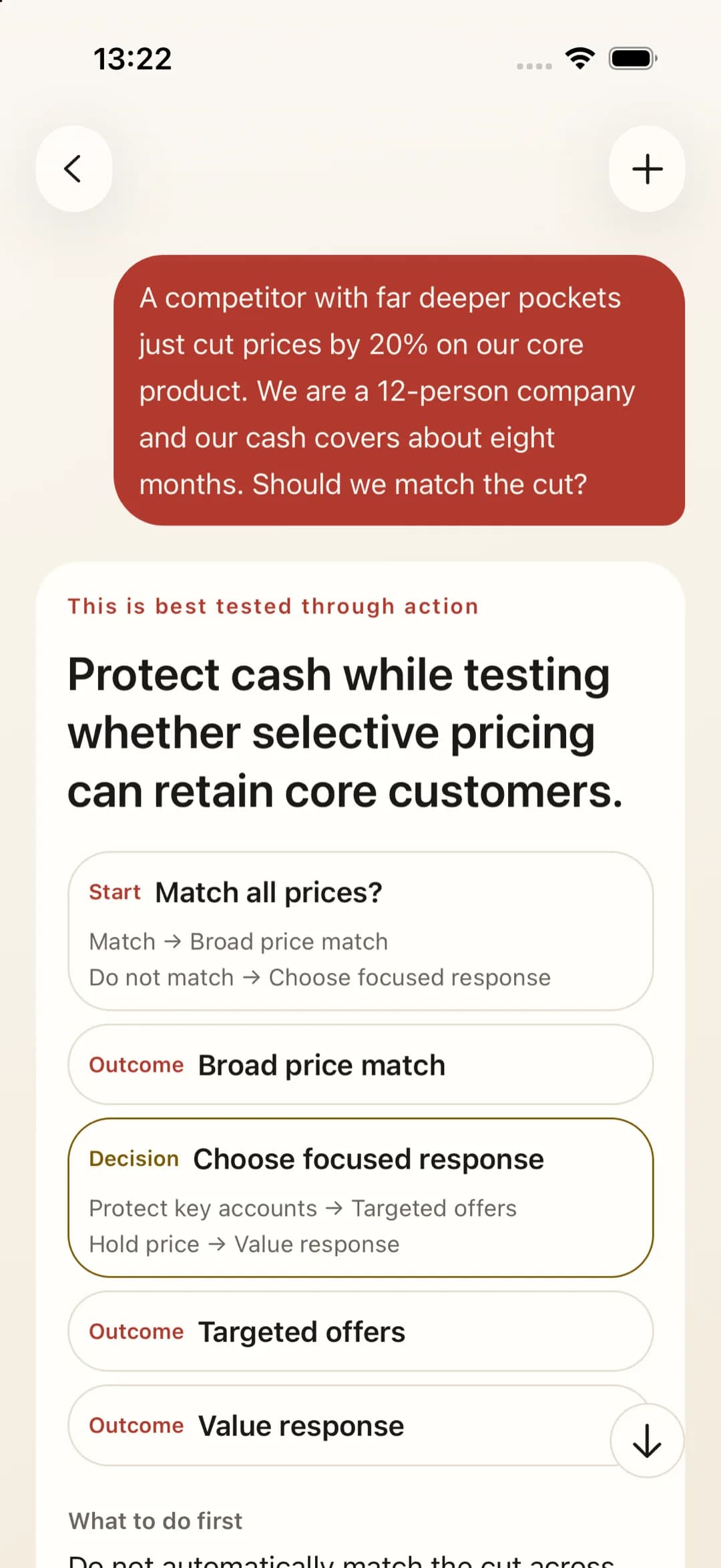
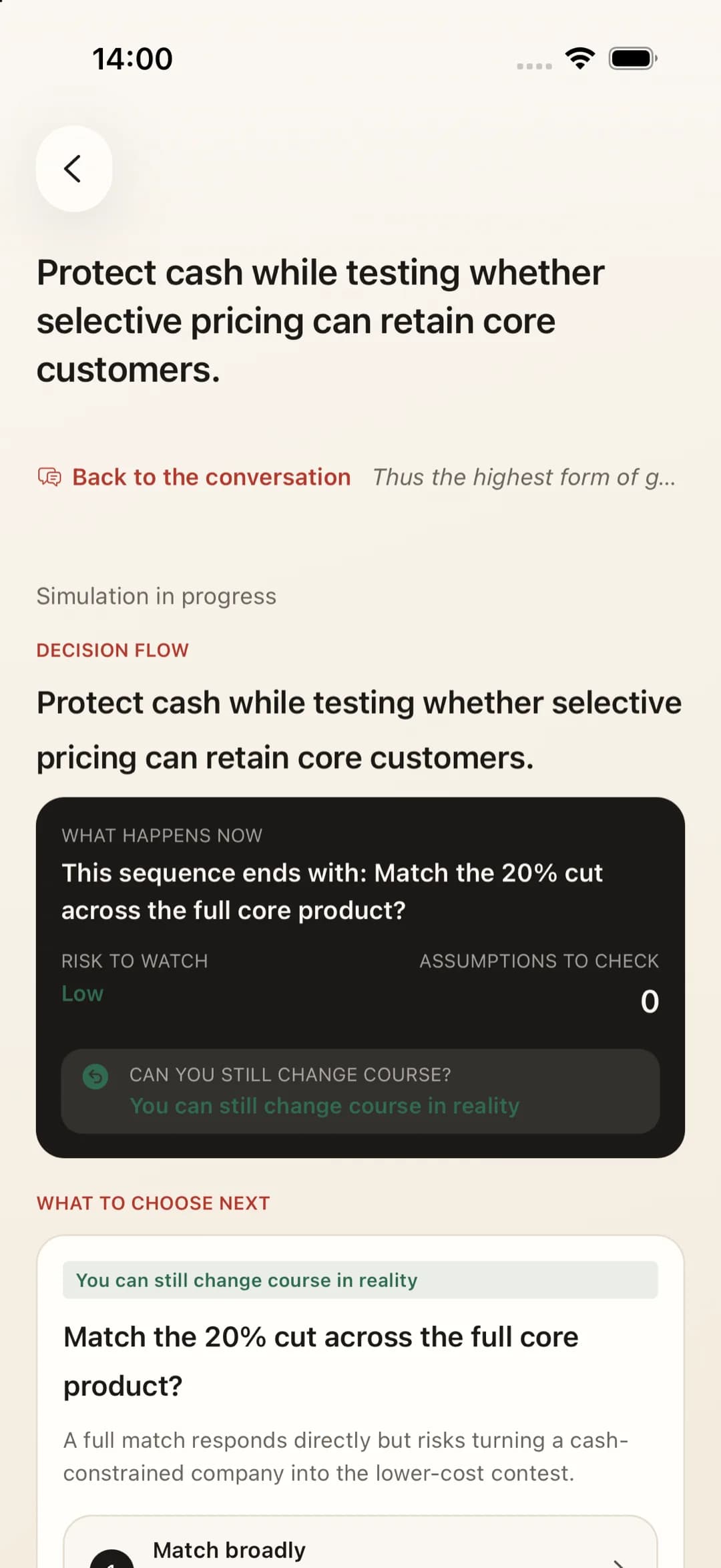
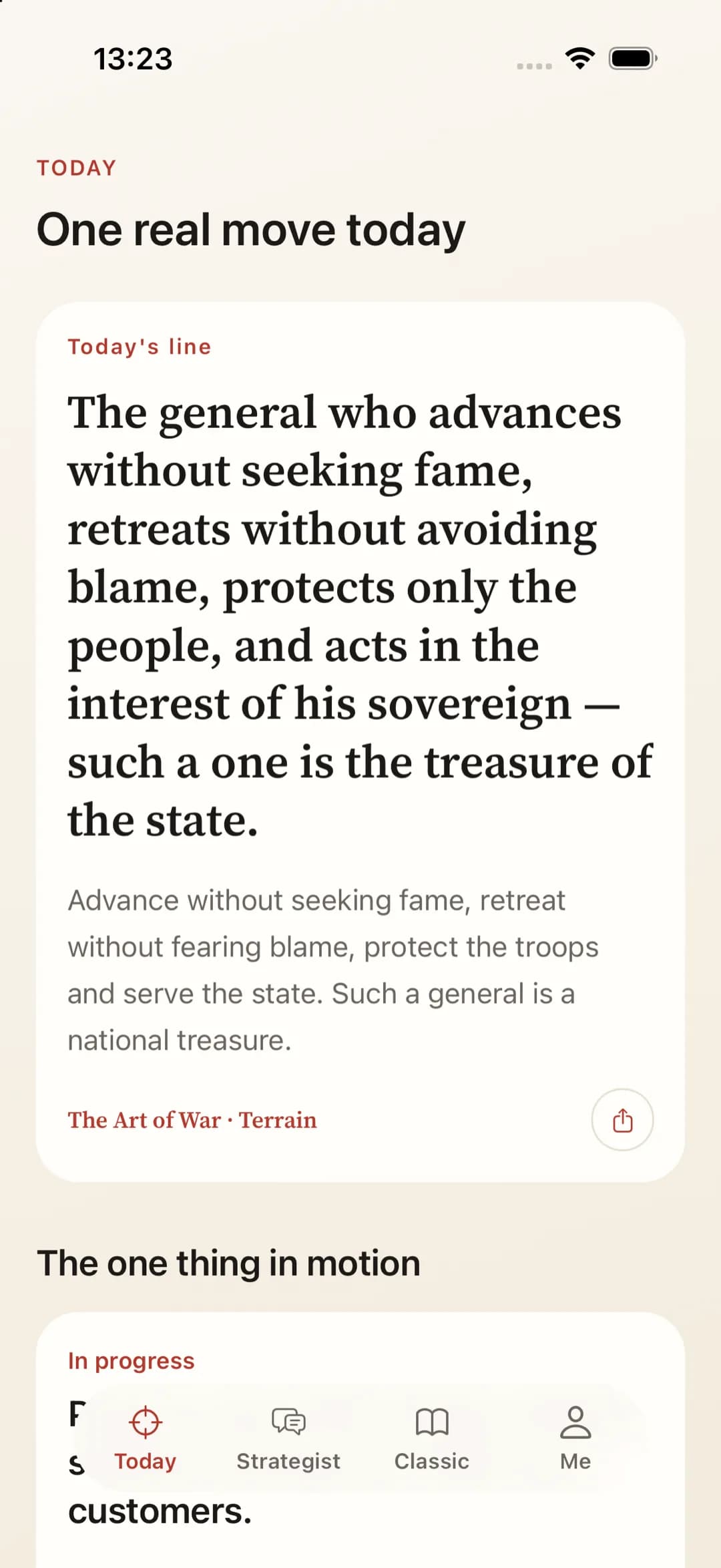
The strategist asks about your situation first, then gives a judgement and what to do firstLay both sides on the table and simulate whether the conclusion changesOne real move today, with a signal to watch
Tell the strategist what the story says, which parts you believe are true or false, and who is asking you about it now.
The strategist sorts the claims into three kinds, lists the audience, channel, and evidence for each, and judges whether this is a response window or a waiting window.
You leave with today's action card: who says what to whom and when, and the signal that escalates to legal action.
This page covers the order of judgement. Your own situation, opponent, and resources are worked through with the strategist in the app.
It depends on who it activates. Anything touching customer interests, regulators, or safety needs a response. If only onlookers are commenting and the spread has peaked, you can skip a public response but prepare an internal line in case you are asked.
Can I ask the outlet to take the story down?
You can request corrections of false claims. Takedown requests are almost never accepted, and asking becomes a story of its own. The goal is correction and your own statement on the record, not disappearance.
What do I tell employees?
Brief them before you respond externally: what happened, what the company is doing, and that they should not comment publicly. Employees learning from the press instead of from the company is the start of a second crisis.
What if the story threatens customer renewals?
Affected customers need one-to-one conversations from the people they know, covering the facts and the remedy. The public statement is for the public; customers need an explanation about them.
This page covers the order of judgement and is not legal or public relations advice. For defamation, regulatory investigations, or personal safety, consult a lawyer or contact the relevant authorities immediately.