When a key role cannot keep up, work out whether the role changed, support is missing, or the fit is wrong before you coach, move, or replace. Three conclusions, three plays.
The short answer
When someone in a key role is not keeping up, do not start with how to replace them. Start with what the role has become over the last year. Much of what looks like falling behind is the role outgrowing the person, not the person getting worse.
The order of judgement is: how much the demands of the role have changed, whether the person has had clear feedback and enough support, and whether anything changed after that feedback and support. Rule these out in order before you reach replacement.
Delay is the most expensive option. A key role that is not working means the whole team is covering for it, and everyone can see you avoiding the issue. Set a clear deadline and decide within it.
Also searching for: key employee underperforming what to do · manager not keeping up with company growth · how to handle an underperforming senior employee · long-time employee cannot keep up
Where people usually go wrong
Never saying it
Afraid of hurting the relationship, you cover for them yourself or through others. They do not know they are behind, while the team knows you are avoiding it. When you finally act, they feel abandoned without warning.
Treating a role problem as a person problem
The role went from managing three people to managing thirty. The demands are different. You blame the person without ever asking what the role now needs.
Feedback that is too soft
Every review says not bad, keep pushing. What they hear is fine. When you decide to replace them, they produce a year of positive reviews.
Deciding to replace before there is a successor
You decide to move someone out with no handover or replacement in place. A key role goes from underperforming to vacant, and the loss is larger.
Three things to check before acting
How much the role has changed
Compare the scale, complexity, and external demands of the role a year ago and now. If the change is large, the first question is what kind of person the role needs, not where this person falls short.
Whether the feedback was explicit
Does the person know clearly where the gap is, what the deadline is, and what happens if it is not met? If those three things have never been said plainly, the problem starts with you.
Whether anything is changing
In the six to eight weeks after explicit feedback and support, has their behaviour changed? Change that is slow can be given more time. No change at all means ability or willingness has reached its limit.
What Sun Tzu would look at first
The Art of War, chapter 10, Terrain
When the general is weak and without authority, and his instructions are not clear, the result is disorder.
Among Sun Tzu's six causes of defeat is a commander who is soft, lacks authority, and gives unclear instructions, leaving the troops with nothing to follow. When a key role is underperforming, look first not at the person but at whether the requirements were made clear and the support was given. Replacing someone while instructions are unclear means the next person meets the same problem.
Three versions, three plays
The role outgrew the person
Split the role. Keep the part they are good at, and staff the part that grew with someone else, ideally someone they recommend. Many early employees find their value again in a narrower, deeper role. Moving someone costs far less than replacing them.
Requirements were unclear and support was thin
Have the explicit conversation you skipped: where the gap is, how long they have, what support you will provide, and what happens if it is not closed. Write it down and review against that record in six to eight weeks. This is fairness to them and to yourself.
Feedback and support were given and nothing changed
Decide, and stop extending. Line up a successor or transition plan first, then discuss a move or a departure. Use the written record in the conversation, do not relitigate the past, and give full dignity and severance.
How the app walks you through it
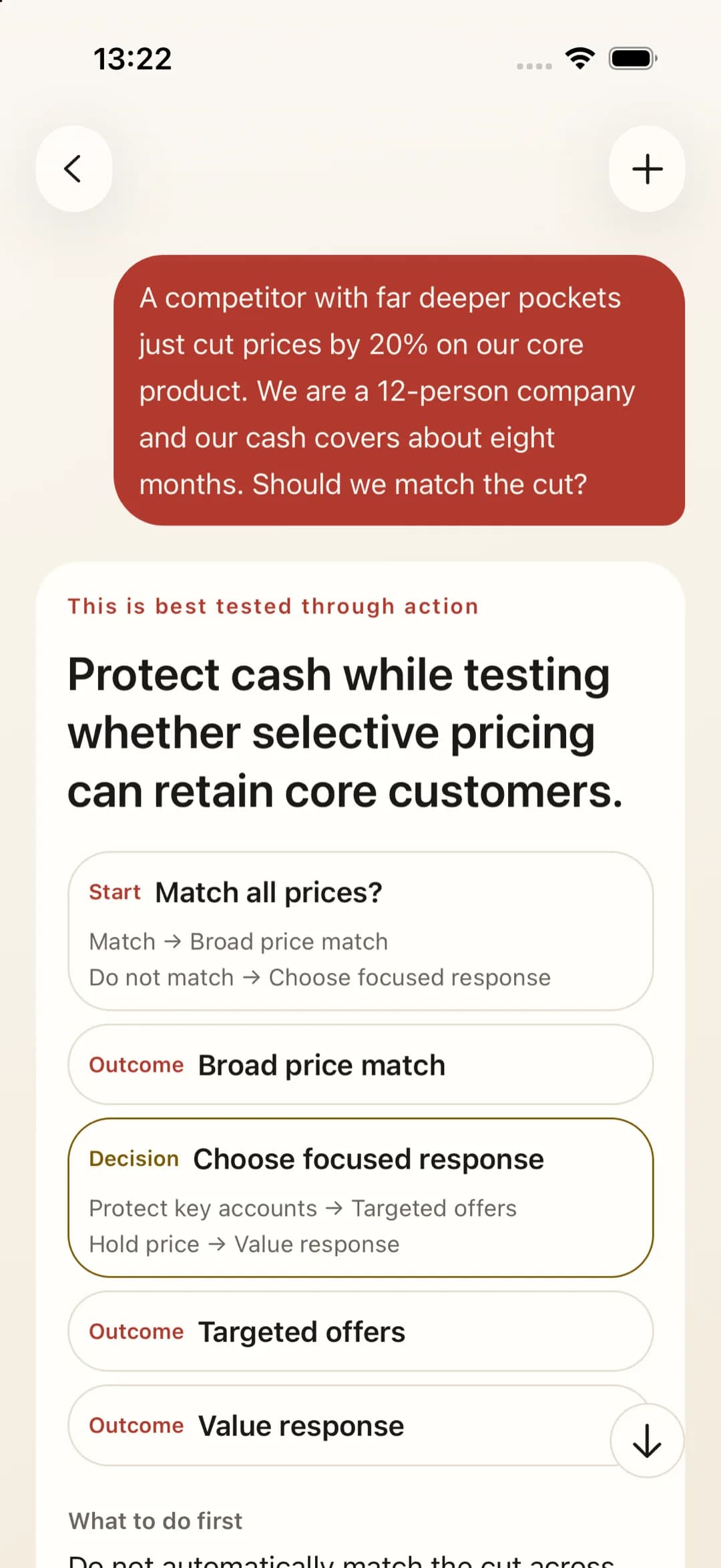
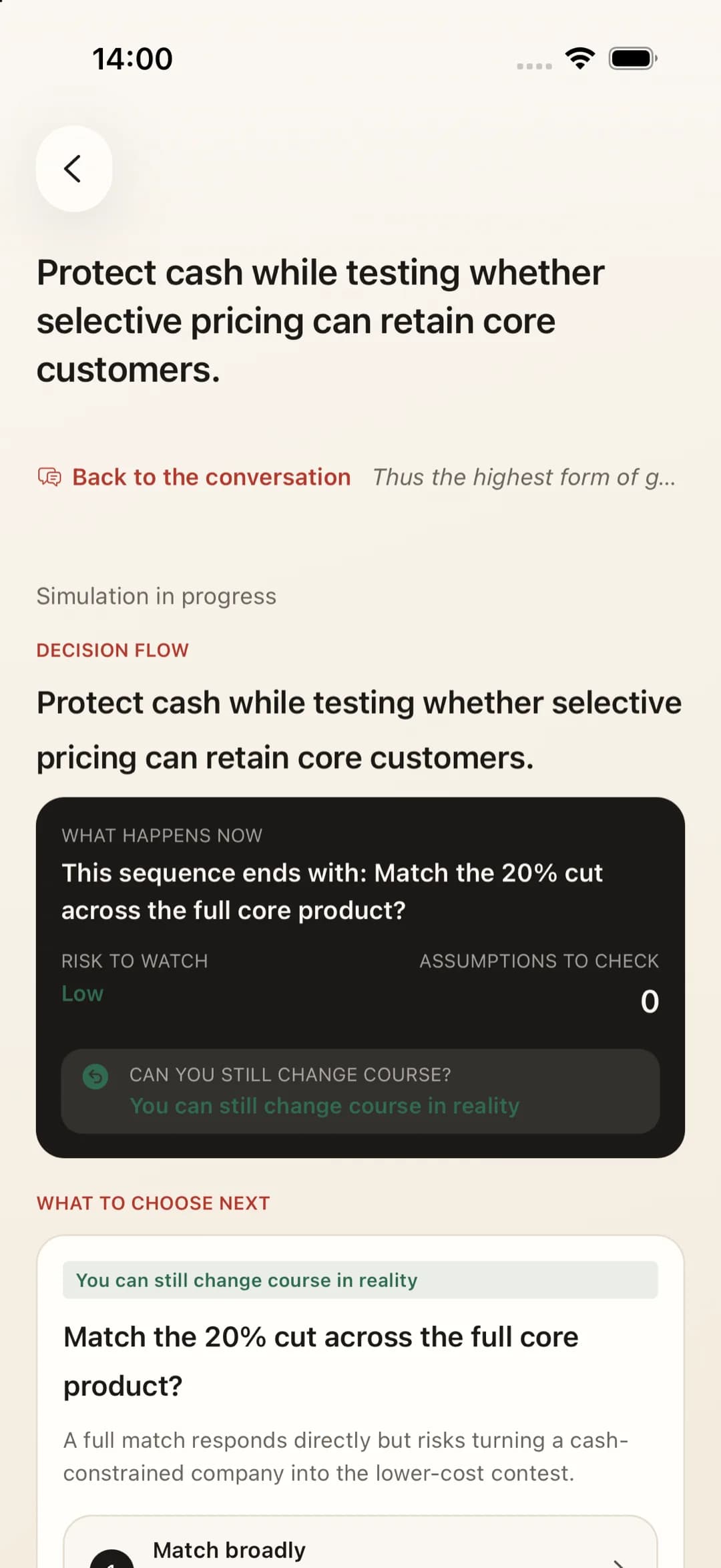
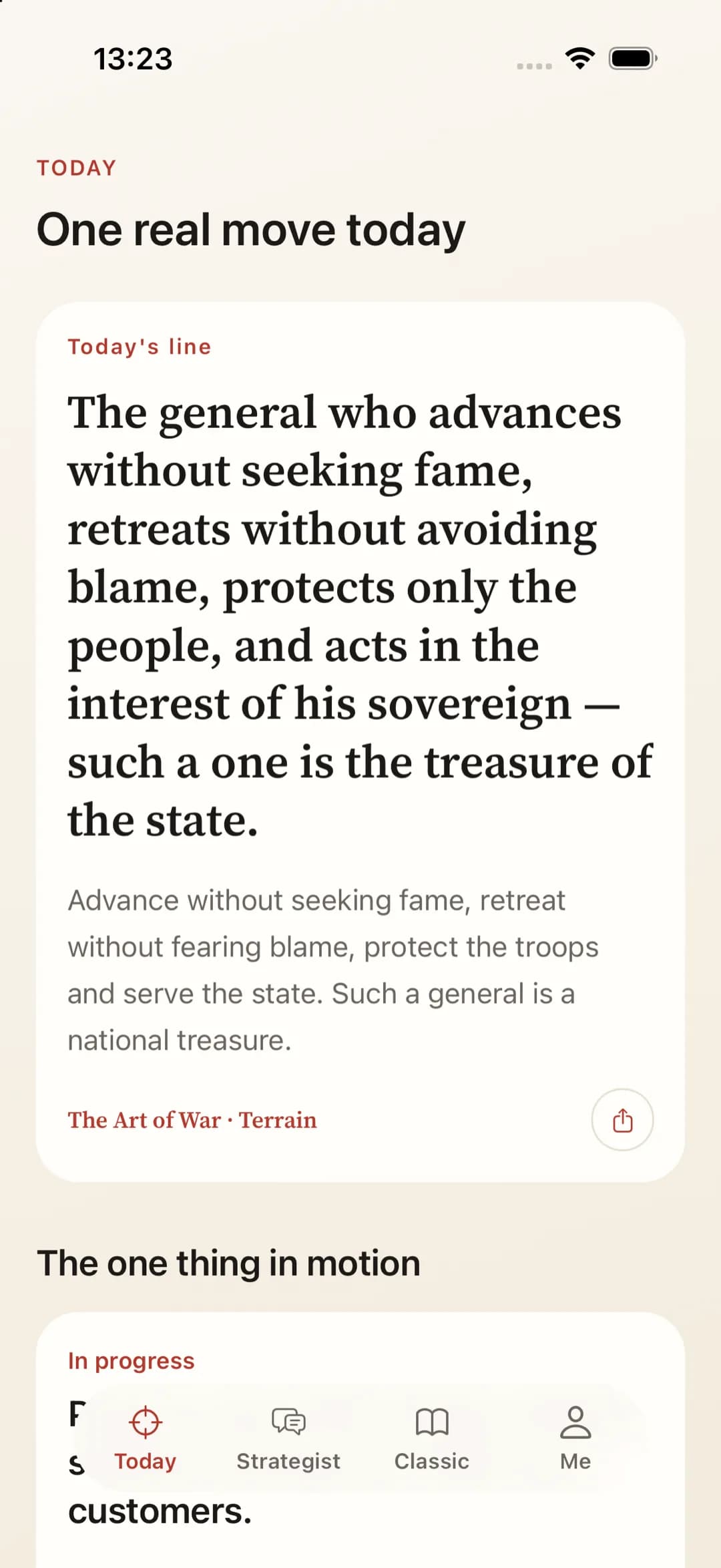
The strategist asks about your situation first, then gives a judgement and what to do firstLay both sides on the table and simulate whether the conclusion changesOne real move today, with a signal to watch
Tell the strategist what changed in the role over the past year, what feedback you have given, whether anything changed, and who on the team is covering for them now.
The strategist first rules out the three possibilities, role, support, ability, and tells you which step you are at, rather than jumping to replacement.
You leave with an action card: the conversation or the role split to do this week, plus a deadline signal that says a decision is now due.
This page covers the order of judgement. Your own situation, opponent, and resources are worked through with the strategist in the app.
A long-time employee cannot keep up with the company's growth but has contributed a lot. What do I do?
Contribution is a fact about the past. The role needs ability in the present. First see whether they can move to a role they can do well, so contribution and ability match again. If no such role exists, talk honestly and give full severance and dignity.
How long should I give someone to improve?
Six to eight weeks after explicit feedback is enough to see direction. That period needs specific goals and checkpoints, not a vague wait and see. Slow change can earn one extension. No change means it is time to decide.
How do I say it without hurting them?
Talk about facts and gaps, not character and attitude. Put the requirements of the role and their current performance side by side and let the gap speak. What hurts is usually not the content but how long you waited to say it.
If I replace them, will the team feel insecure?
It depends on the process. If the team saw feedback and support come first and a decision last, done with dignity, they conclude the rules are clear. If the replacement is sudden, they conclude anyone could be next.
This page covers management judgement, not employment law. Reassignment, termination, and severance must follow local law; consult professionals. Do not use Sun Tzu's language to justify coercion or mistreatment of staff.